
Last updated: October 26, 2026
A funny thing is happening with Christmas gift hampers across Australia. They are getting more specific, more local, and a bit more personal, without losing that simple, generous feeling people actually want at Christmas.
For 2026, the big shift is intention. Not just “send something nice”, but “send something that fits them”. Their tastes, their values, their postcode even.
What will Australians expect from Christmas gift hampers in 2026?
They will expect relevance first, then quality. If the hamper feels generic, it will land like junk mail, even if it is expensive.
Australian buyers are also expecting clearer product stories. Where it was made, who made it, and why it is in the box. Not a novel. Just enough to feel real.
Why are locally sourced hampers growing so fast across Australia?
Because “Australian made” has stopped being a nice bonus and become the default filter. People want to support local producers, especially after a few years of cost pressures.
In 2026, this will show up in region-based curation. Think Yarra Valley, Barossa, Margaret River, Hunter Valley, Adelaide Hills, Tassie, and smaller pockets people are proud of.
Are state-themed hampers becoming a bigger thing?
Yes, and it is not subtle. Buyers are choosing hampers that feel like a place, not just a list of products.
A Sydney client might send something that nods to NSW coastal producers. A Melbourne team might lean into Victorian makers. Perth buyers often go heavy on WA wine, honey, and pantry staples. These Christmas gift hampers become a little postcard, basically.
What kinds of items are replacing the old “filler” products?
They are cutting the fluff. Fewer bargain biscuits and generic sweets, more things that feel chosen.
In 2026, expect more small batch condiments, proper chocolate from Australian makers, premium nuts, native botanicals, and pantry goods that do not scream “mass produced”. Even the crackers are getting better, which is kind of the point.
Are food and wine still the core, or is something else taking over?
Food and wine still lead, but the mix is widening. People are sending fewer giant wine heavy boxes, and more balanced ones that suit more diets and fewer awkward office rules.
Non alcoholic pairings are growing too. Sparkling tea, artisanal soft drinks, alcohol free spirits, and coffee bundles are pushing into premium territory. A modern Christmas gift hampers range needs both.
How big will “diet aware” gifting be in 2026?
Big enough that it cannot be a token filter in a dropdown. Gluten free, dairy free, vegan, low sugar, and halal friendly options are getting more thoughtful.
The trend is less about restriction, more about inclusion. People do not want the recipient to feel like the hamper is a consolation prize. They want them to feel seen. That is why Christmas gift hampers are being redesigned around dietary needs, not patched after.
Why are native Australian flavours appearing in more hampers?
Because they feel unique without feeling gimmicky. Davidson plum, finger lime, wattleseed, lemon myrtle, and bush tomato are showing up in spreads, chocolates, teas, and spice blends.
For 2026, it is less “novelty bush foods”, more refined use. A little native ingredient, used well, makes Christmas gift hampers feel unmistakably Australian.
Are eco-friendly hampers actually becoming mainstream, or is it just marketing?
It is becoming normal, mostly because packaging is impossible to ignore now. Buyers want fewer plastics, more recyclable materials, and boxes that do not feel wasteful.
In Australia, they are also paying attention to delivery miles and supplier ethics. In 2026, the brands that win will be the ones whose sustainability claims match what arrives at the door.
What packaging trends will stand out for 2026?
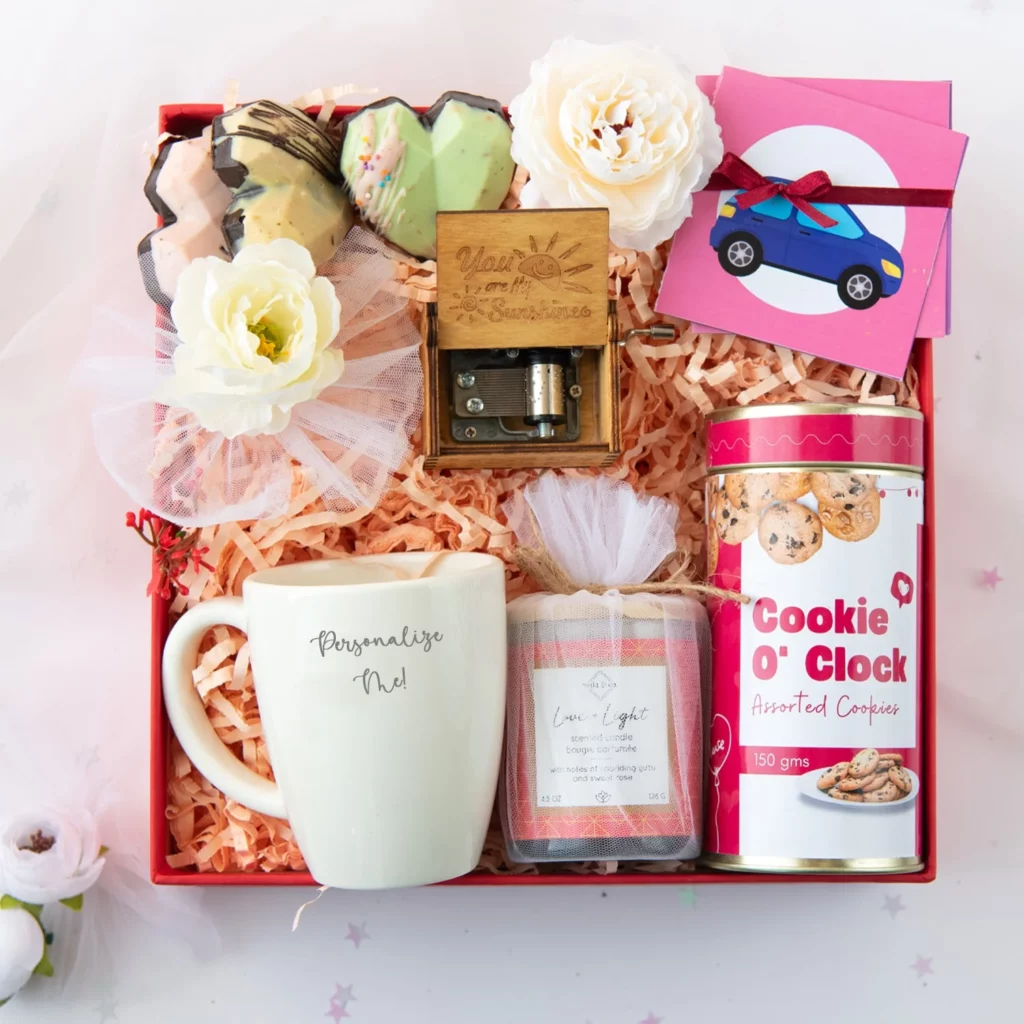
They are moving towards keepsake packaging, but not overly fancy. Reusable tins, sturdy storage boxes, cooler bags for summer deliveries, and minimal ink designs are all growing.
Heat is part of it too. Australian December weather is brutal. Better insulation, ice packs where needed, and smarter delivery windows will shape how Christmas gift hampers are packed.
How are corporate buyers changing their hamper choices?
They are buying with fewer mistakes. Corporate gifting is getting more careful about dietary needs, alcohol policies, and brand risk.
They are also splitting budgets differently. Instead of one big generic gift, many are doing tiered gifting. A smaller hamper for everyone, a premium one for key clients. That keeps Christmas gift hampers fair, but still strategic.
Are personalised hampers becoming the norm?
Yes, but not the clunky kind where someone types a name on a card and calls it personalisation. Buyers want meaningful choice, without turning it into a DIY project.
For 2026, personalisation looks like curated tracks. Coffee lover, beach weekend, foodie, sweet tooth, wellness, new parents. The recipient gets a hamper that fits, and the sender does not spend hours building it.
What role will subscription style hampers play at Christmas?
They are becoming a quiet favourite, especially for families and long-distance gifting. Instead of one big box, some are sending a December drop, then a January top-up.
This fits Australian summer too. One delivery before Christmas, another after, when people are back from the coast and actually home. It is a new lane for Christmas gift hampers.
Are experience add-ons being bundled into hampers?
More often, yes. People are pairing physical goods with small experiences that work anywhere in Australia.
That might be a tasting flight voucher, a QR code to a virtual masterclass, or a partnership with a local maker. It is not replacing the products. It is just making the hamper feel like an event.
How is Australia’s cost of living affecting hamper trends?
Value is being redefined. People still want premium, but they want it justified.
In 2026, this means fewer items, better items. It also means clearer pricing tiers and less pretending. If a hamper is $180, it needs to look and feel like $180. That honesty is shaping Christmas gift hampers more than any single product.
Which Australian regions are driving the biggest hamper trends?
Metro buyers set volume, but regions set flavour. Melbourne and Sydney push design, personalisation, and corporate demand. Brisbane and the Gold Coast influence summer-friendly, lighter hampers.
Adelaide and the Barossa keep wine and gourmet traditions strong. Perth and Margaret River lean into premium local produce. Tasmania keeps punching above its weight with cider, spirits, and cool climate pantry goods.
What will delivery and timing look like for 2026?
They will plan earlier, because Australia Post and couriers get overwhelmed every December. Many hamper brands are already nudging customers into November ordering.
The trend is also more precise dispatching. SMS tracking, clearer cut-offs by state, and better protection against heat. If Christmas gift hampers arrive late or melted, nothing else matters.
How should buyers choose the right hamper in 2026?
They should match it to the recipient, then match it to the season. That is the simple framework.
Dietary needs, alcohol preferences, and household type first. Then think about Australian summer. Will chocolate survive? Will it sit on a porch in 35 degrees? A good Christmas gift hampers choice feels thoughtful before it is flashy.
What is the simplest takeaway for Christmas gift hampers in Australia for 2026?
They are moving towards fewer, better, more local choices. The best hampers will feel like they were built for a real person, not a catalogue.
And that is the shift. In 2026, Christmas gift hampers across Australia will be less about stuffing a box, and more about sending something that lands well, tastes good, travels safely, and genuinely fits the person opening it.
FAQs (Frequently Asked Questions)
What are the key trends shaping Christmas gift hampers in Australia for 2026?
In 2026, Christmas gift hampers in Australia are becoming more specific, local, and personal. Buyers expect relevance and quality over generic contents, with a strong focus on intention — sending gifts that fit the recipient’s tastes, values, and even postcode.
Why is there a growing demand for locally sourced and region-based Christmas gift hampers in Australia?
Locally sourced hampers are booming because ‘Australian made’ has become a default filter rather than just a bonus. Supporting local producers is important post-cost pressures, leading to region-themed hampers highlighting areas like Yarra Valley, Barossa, Margaret River, and others that Australians take pride in.
How are dietary needs influencing Christmas gift hamper selections in 2026?
Diet-aware gifting is significant in 2026, moving beyond token options to thoughtful inclusion of gluten-free, dairy-free, vegan, low sugar, and halal-friendly products. Hampers are designed around these needs to ensure recipients feel truly seen rather than receiving consolation prizes.
What types of products are replacing traditional filler items in Australian Christmas gift hampers?
The trend is towards cutting out generic fillers like bargain biscuits and sweets. Instead, hampers feature small batch condiments, premium Australian chocolates, nuts, native botanicals such as lemon myrtle or wattleseed, and pantry goods that avoid mass-produced impressions.
Are eco-friendly packaging and sustainability considerations becoming mainstream for Christmas gift hampers?
Yes. Eco-friendly packaging is now normal due to increasing awareness about plastics and waste. Buyers seek recyclable materials, minimal packaging waste, attention to delivery miles and supplier ethics. Brands with genuine sustainability matching their claims will lead in 2026.
How are corporate buyers adapting their approach to Christmas gift hampers?
Corporate gifting is becoming more precise with careful attention to dietary restrictions, alcohol policies, and brand risk. Budgets are being split into tiered gifting — smaller hampers for all employees and premium ones for key clients — ensuring fairness while maintaining strategic impact.
Related: Christmas Gift Box Ideas for Teachers, Neighbours and Staff Appreciation