
The lush greenery of Sydney’s urban landscape is one of its most captivating features. However, maintaining the health and safety of trees requires expert attention and care. Tree pruning is a vital service that not only enhances the aesthetic appeal but also plays a crucial role in the overall health of trees. This article explores the significance of tree pruning, the professional pruning process, how to choose a reliable service, and the role of tree pruning in Sydney’s environment.
Understanding the Importance of Tree Pruning
Tree pruning involves the removal of dead, damaged, or overgrown branches to promote healthy growth, improve structure, and maintain safety. Its importance cannot be overstated as it serves numerous vital functions.
Enhancing Tree Health Through Pruning
Pruning encourages new growth and helps in the development of a strong structure, making trees less susceptible to disease and pest infestations. By removing unhealthy branches, the tree can redirect its energy to healthier parts, enhancing its overall vitality.
In addition, regular pruning allows for better air circulation and sunlight penetration, both essential components for a tree’s health. This prevents overcrowding and reduces the risk of fungal growth, which thrives in shaded and damp environments. Moreover, pruning can stimulate the growth of flowering and fruiting branches, leading to a more vibrant display of blooms and a bountiful harvest in fruit-bearing trees, which can enhance the aesthetic appeal of gardens and landscapes.
Safety Benefits of Regular Tree Pruning
One significant aspect of tree pruning is safety. Overgrown branches pose risks, especially during storms or high winds, where they can fall and cause injury or property damage. Pruning reduces this risk by eliminating weak or hazardous limbs.
Furthermore, trees that are pruned regularly contribute to safer public spaces in urban settings. Properly maintained trees have fewer dead branches that could fall and injure people, making communities safer. In addition to physical safety, well-pruned trees can also enhance visibility for drivers and pedestrians, reducing the likelihood of accidents. This is especially important in urban areas where trees may obstruct road signs or traffic signals, thus ensuring that both pedestrians and motorists can navigate safely and effectively.
The Process of Professional Tree Pruning
Professionals in tree pruning follow a systematic approach to ensure the best results. This process typically involves two main phases: initial assessment and planning, followed by execution of pruning techniques.
Initial Assessment and Planning
The first step in professional tree pruning is assessing the tree’s health, structure, and surrounding environment. Arborists examine factors such as the tree species, age, and any existing diseases or pests.
This evaluation helps in creating a tailored pruning plan that meets the specific needs of the tree while considering the landscape’s aesthetics and the safety of nearby structures and people. During this phase, arborists also take into account seasonal changes, as the timing of pruning can significantly impact the tree’s recovery and growth. For instance, certain species may benefit from winter pruning when they are dormant, while others might thrive with summer pruning to encourage new growth.
Execution of Pruning Techniques
Once the assessment and planning are complete, the actual pruning can begin. Professionals utilize specific techniques designed to minimize harm to the tree while achieving the desired outcome. This may include thinning, reducing the height, or shaping the tree.
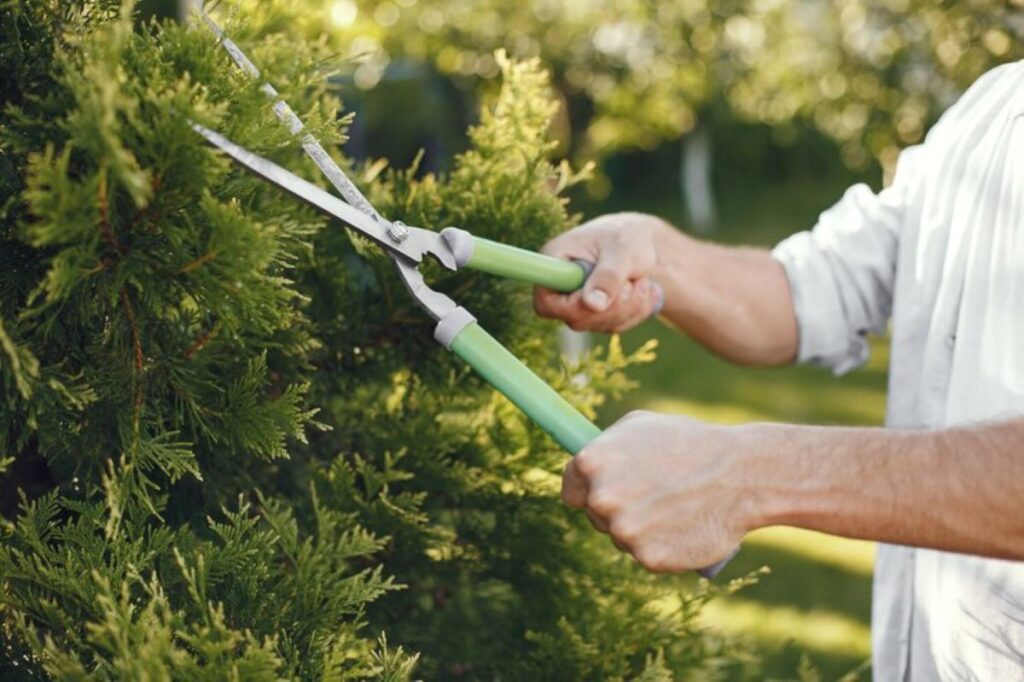
Additionally, using appropriately sized tools, such as pruning shears and chainsaws, ensures clean cuts that help the tree heal faster and more effectively. Adhering to proper pruning techniques is crucial to avoid stress and injury to the tree. Arborists often follow the three-cut method for larger branches, which helps prevent bark tearing and promotes healthy regrowth. Furthermore, they are trained to recognize the importance of maintaining the tree’s natural form, ensuring that the final result not only enhances the tree’s health but also its visual appeal within the landscape. This careful balance of technique and artistry is what distinguishes professional tree pruning from amateur attempts.
Selecting the Right Tree Pruning Service in Sydney
Choosing a reliable tree pruning service in Sydney is essential for ensuring your trees receive the best care. With many options available, it’s crucial to evaluate potential providers carefully. Proper tree pruning not only enhances the aesthetic appeal of your landscape but also promotes healthy growth, reduces the risk of disease, and ensures safety by eliminating hazardous branches.
Factors to Consider When Choosing a Service
When selecting a tree pruning service, consider the following factors:
- Qualifications and Certifications: Look for certified arborists with the necessary training and expertise in tree care. Arborists should be knowledgeable about local tree species and their specific needs, which can vary significantly based on the climate and soil conditions in Sydney.
- Experience: An established company with a solid track record will likely provide more reliable services than newer firms. Experienced professionals are better equipped to handle unexpected challenges that may arise during the pruning process.
- Insurance: Ensure the company is adequately insured to protect yourself from any liabilities resulting from accidents during pruning. This is particularly important in urban settings where the risk of property damage is higher.
- Customer Reviews: Check reviews and feedback from previous clients to gauge their satisfaction and experiences. Look for testimonials that highlight not only the quality of work but also the professionalism and communication skills of the service provider.
Questions to Ask Potential Tree Pruning Services
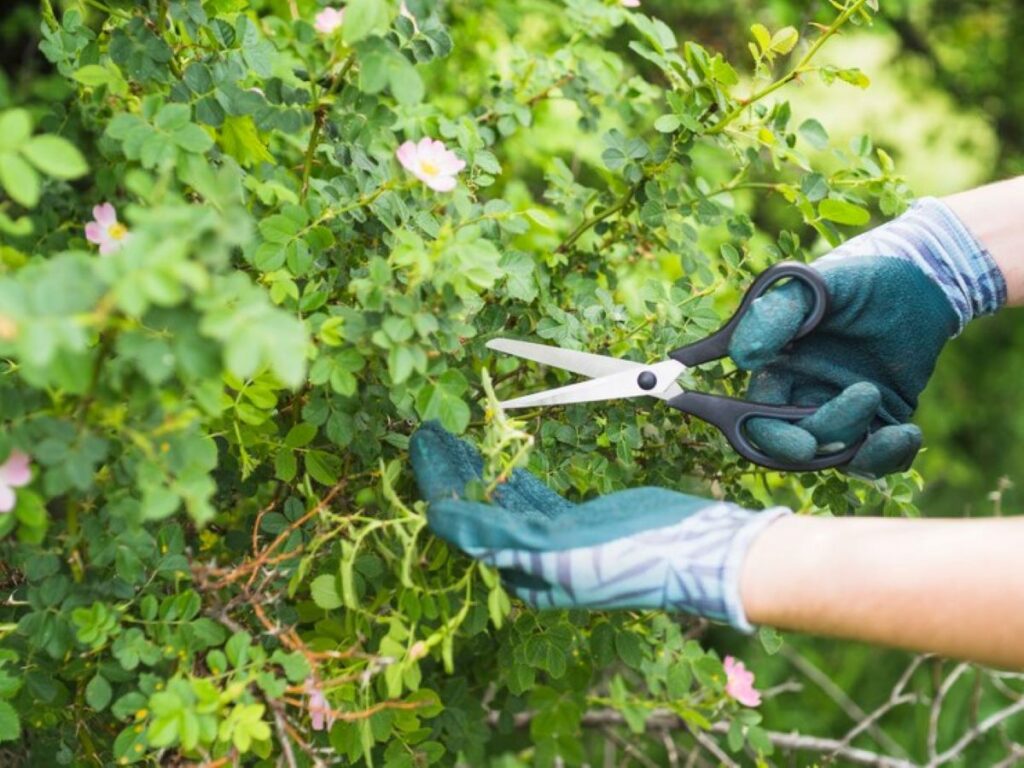
Before finalizing your decision, it is advisable to ask potential tree pruning services some critical questions:
- What methods do you use for tree pruning? Understanding their techniques can give you insight into their approach to tree health and safety.
- Can you provide references from past clients? Speaking directly with previous customers can provide valuable insights into the company’s reliability and quality of work.
- What kind of insurance do you carry? This will help you understand the level of protection you have in case of accidents.
- Are your arborists certified and experienced? Inquiring about their qualifications will ensure that you are entrusting your trees to knowledgeable professionals.
These questions will help ensure that you are making an informed choice and selecting a service that aligns with your needs. Additionally, consider asking about the company’s approach to sustainability and tree health. A good service provider will not only focus on the immediate needs of your trees but will also offer advice on long-term care and maintenance strategies to promote overall tree vitality. It’s also beneficial to inquire about their follow-up services, as ongoing care can be crucial for the health of your trees after pruning. This comprehensive approach can help you establish a lasting relationship with a tree care professional who understands the unique needs of your landscape.
The Role of Tree Pruning in Sydney’s Urban Landscape
Tree pruning is not just about maintaining the health of individual trees; it plays an integral part in the management of Sydney’s urban landscape as a whole.
Pruning and Urban Tree Management
In urban areas, trees often face unique challenges due to limited space and environmental stressors. Effective tree pruning is essential for managing these circumstances and promoting a vibrant urban forestry system. Proper pruning practices support municipal efforts to enhance greenspaces, which can positively affect mental health and community well-being.
Moreover, well-pruned trees contribute to a more organized and appealing urban environment, encouraging residents to engage with their natural surroundings. This engagement is crucial, as it fosters a sense of community and stewardship among residents, leading to increased participation in local conservation efforts and environmental education programs. When people feel connected to their environment, they are more likely to advocate for its preservation and improvement, creating a ripple effect that benefits the entire community.
The Impact of Tree Pruning on Sydney’s Biodiversity
Pruning also has a profound impact on local biodiversity. Healthy trees foster habitats for various species, including birds, insects, and other wildlife. By maintaining the health of these trees, pruning helps create a balanced ecosystem. In Sydney, where urban development often encroaches on natural habitats, the role of urban trees becomes even more critical. They serve as essential green corridors that allow wildlife to navigate through the city, thereby maintaining genetic diversity and resilience among species.
Furthermore, urban trees contribute to improved air quality and reduced city temperatures, enhancing biodiversity by creating a more hospitable environment for various species. The strategic pruning of trees can also help manage their growth patterns, ensuring that they do not obstruct power lines or buildings while still providing ample canopy cover. This balance is vital for sustaining the urban ecosystem, as it allows for the coexistence of human activity and wildlife, ultimately enriching the urban experience for all inhabitants.
Common Misconceptions About Tree Pruning
Despite its importance, many myths and misconceptions surround tree pruning, which can lead to poor practices and misunderstandings.
Debunking Tree Pruning Myths
One common myth is that trees should be heavily pruned in the winter months. In reality, the best time for most pruning is during the tree’s dormant season, typically late winter to early spring. Heavy pruning can cause stress and diminish the tree’s health. It is crucial to understand that trees, like all living organisms, require time to recover from any form of stress. Pruning during the wrong season can lead to excessive sap loss and make the tree more vulnerable to diseases and pests.
Another fallacy is that “topping” trees—the practice of cutting the branches back severely—promotes new growth. Instead, topping can lead to significant harm, making trees more susceptible to disease and pests. This practice not only disrupts the tree’s natural growth pattern but can also result in a phenomenon known as “water sprouting,” where weak, fast-growing shoots emerge, leading to a less stable structure and increased maintenance needs.
The Science Behind Tree Pruning
Understanding the science of how trees grow is crucial for effective pruning. Trees have a natural healing mechanism, known as compartmentalization, which prevents the spread of decay after injury. Knowledge of this process allows arborists to prune in a manner that minimizes damage and promotes healthy regrowth. For instance, making clean cuts at the right angles can help trees seal off wounds more effectively, which is essential for their long-term health.
Effective pruning is based on research and practical knowledge that focuses on tree biology, environmental conditions, and individual tree needs. This scientific approach ensures that trees remain healthy and vibrant for years to come. Moreover, different species of trees have unique growth habits and responses to pruning, making it imperative for arborists to tailor their techniques accordingly. For example, flowering trees may require specific timing to enhance blooms, while shade trees might need structural pruning to maintain their canopy shape and integrity.
In addition to promoting health, proper pruning can also enhance the aesthetic appeal of trees, shaping them to fit the landscape and ensuring they thrive in their environment. A well-pruned tree not only looks good but also contributes positively to biodiversity, providing habitat for various species and improving air quality. Understanding these nuances can empower homeowners and gardeners to make informed decisions about the care of their trees, ultimately fostering a more sustainable urban ecosystem.
Related : Green Waste Removal Cost in Sydney: What to Expect